As cities around the world grapple with mounting piles of garbage, a humble innovation is quietly transforming waste management in many urban areas. The plastic dustbin, that ubiquitous container for household and commercial trash, is undergoing a revolution of sorts, one that promises to be both environmentally friendly and cost-effective.
Traditionally, most dustbins have been made of metal or wood, which can rust, rot or become infested with rodents. These materials are also heavy, making them difficult and costly to transport and empty. In recent years, however, the plastic dustbin has emerged as a more durable and convenient alternative.
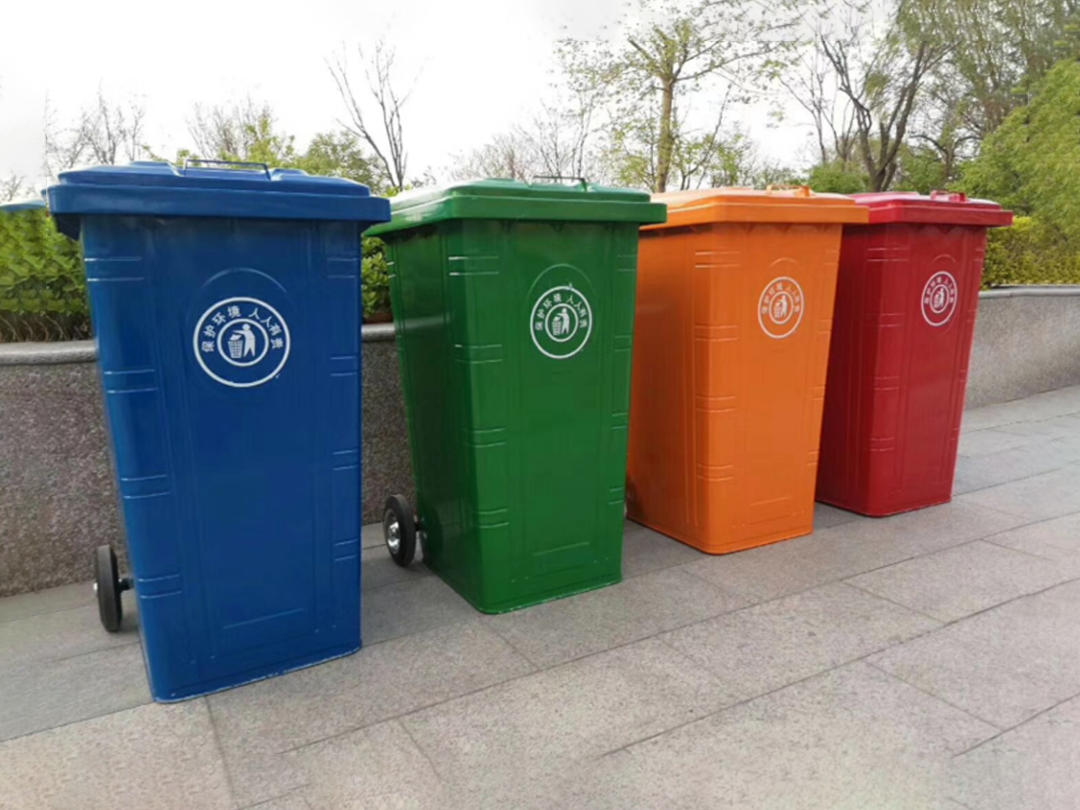
Plastic bins are lightweight, easy to clean and maintain, and can withstand harsh weather conditions. They also come in a range of sizes and colors, making them easy to identify and sort. Additionally, they can be recycled when they reach the end of their lifecycle, reducing their impact on the environment.
Many cities are now switching to plastic dustbins as part of their waste management efforts. For instance, in India's capital New Delhi, the municipal corporation has replaced all metal and wooden dustbins with plastic ones. The move has not only improved cleanliness and hygiene but also saved the city millions in maintenance and transportation costs.
Similarly, in the Philippines, the government has distributed millions of plastic dustbins to households and businesses in an effort to improve waste collection and separation. The initiative has dramatically reduced the amount of trash littering the streets and waterways in cities like Manila and Cebu.
The plastic dustbin revolution is not limited to developing countries, however. In Europe, many municipalities have also adopted plastic bins as part of their recycling programs. For instance, the city of Barcelona in Spain has introduced a new system where residents can choose from a range of plastic bins that are color-coded for different types of waste, such as paper, plastic, and organic material.
As the world grapples with the challenge of managing its growing waste, the plastic dustbin may seem like a small innovation. But it is a significant one, offering an effective, durable, and sustainable solution to the problem of urban garbage. As more cities embrace this humble container, the plastic dustbin revolution will continue to gather speed, ensuring a cleaner and greener future for us all.
As cities around the world grapple with mounting piles of garbage, a humble innovation is quietly transforming waste management in many urban areas. The plastic dustbin, that ubiquitous container for household and commercial trash, is undergoing a revolution of sorts, one that promises to be both environmentally friendly and cost-effective.
Traditionally, most dustbins have been made of metal or wood, which can rust, rot or become infested with rodents. These materials are also heavy, making them difficult and costly to transport and empty. In recent years, however, the plastic dustbin has emerged as a more durable and convenient alternative.
Plastic bins are lightweight, easy to clean and maintain, and can withstand harsh weather conditions. They also come in a range of sizes and colors, making them easy to identify and sort. Additionally, they can be recycled when they reach the end of their lifecycle, reducing their impact on the environment.
Many cities are now switching to plastic dustbins as part of their waste management efforts. For instance, in India's capital New Delhi, the municipal corporation has replaced all metal and wooden dustbins with plastic ones. The move has not only improved cleanliness and hygiene but also saved the city millions in maintenance and transportation costs.
Similarly, in the Philippines, the government has distributed millions of plastic dustbins to households and businesses in an effort to improve waste collection and separation. The initiative has dramatically reduced the amount of trash littering the streets and waterways in cities like Manila and Cebu.
The plastic dustbin revolution is not limited to developing countries, however. In Europe, many municipalities have also adopted plastic bins as part of their recycling programs. For instance, the city of Barcelona in Spain has introduced a new system where residents can choose from a range of plastic bins that are color-coded for different types of waste, such as paper, plastic, and organic material.
As the world grapples with the challenge of managing its growing waste, the plastic dustbin may seem like a small innovation. But it is a significant one, offering an effective, durable, and sustainable solution to the problem of urban garbage. As more cities embrace this humble container, the plastic dustbin revolution will continue to gather speed, ensuring a cleaner and greener future for us all.
Jiangsu Ru Shun Plastic Industry Co., Ltd. specializes in the production of folding turnover boxes, turnover boxes, Folding Box, Parts Storage Bins and trash cans, etc., providing logistics transportation, packaging solutions, only durable, safe and environmental protection, in line with standardized requirements, products can add label clips, cover, custom color, printing LOGO and other services, you can customize according to your own needs.